6 Online Safety Tips as AI Exposes the Web’s Weak Spots
The PHP2Shell flaw showed how quickly AI can find and exploit weak points on the internet, and how little ordinary users can do about a bug buried in a website’s code. According to CNN’s guide, the answer is to tighten up what you do control. These six online safety tips do that.
Users Can’t Patch the Web, but They Can Limit the Damage
If a site you use is running unpatched software, as in our earlier PHP2Shell report, you can’t fix it yourself. What you can do is make sure one site’s problem doesn’t spread to your other accounts.
A Password Manager Makes Every Password Unique
Reusing passwords is the biggest risk. A password manager creates long, random passwords for every account, and CNN notes that computers are better at this than people. Look for one that encrypts your vault. NPR’s Kevin Roose also suggests rotating old passwords you haven’t changed in a while.
You don’t need to panic-reset everything. Cybernews points out that a password that is already unique and shows no sign of exposure doesn’t need changing because of the news alone.
Passkeys Replace Passwords Hackers Can Steal
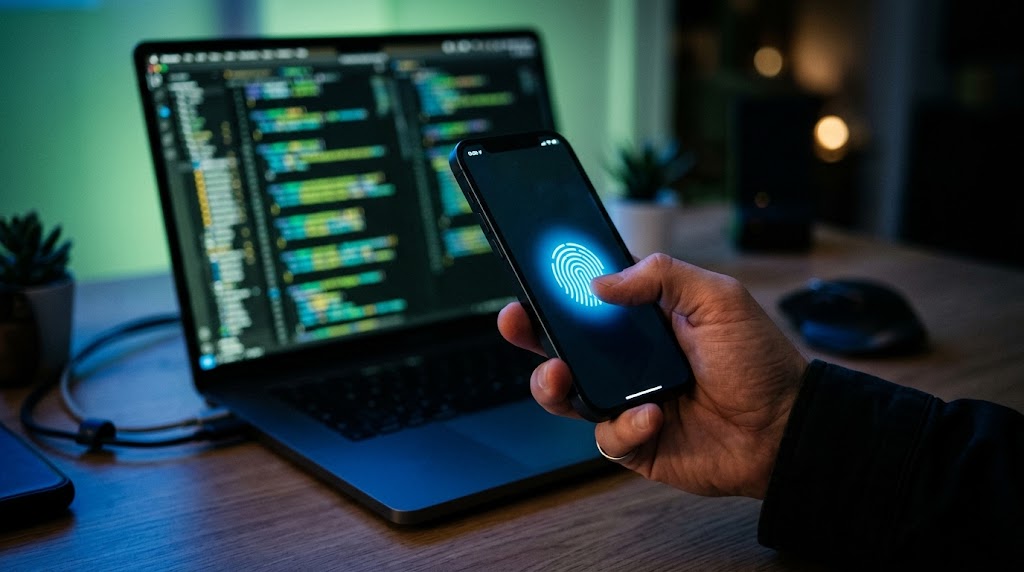
Passkeys let you sign in with a fingerprint, face scan or PIN instead of typing a password. There’s no password stored on the site for a hacker to take, which makes them the strongest option where they’re offered.
Authenticator Apps Beat Text-Message Codes
Where passkeys aren’t available, use two-factor authentication, and prefer an app-based code generator over SMS, since text messages can be intercepted. Aura notes that the flaw can expose passwords but not these one-time codes, which is why 2FA matters.
Quick Updates Shrink the Window for Attackers
Many software updates contain security fixes. CNN’s advice is to install them promptly on your phone, computer and router, because every day you wait is a day hackers have to use a known bug.
AI Is Making Phishing Messages More Convincing
Attackers can use AI to research targets and write personalized, believable messages. The National Cybersecurity Alliance warns that stolen data from hacks like this may fuel phishing emails, texts and calls. Don’t click links you didn’t expect, and go directly to a company’s official site or app instead.
Paying with Apple Pay, Google Pay or PayPal also keeps your real card number off small shops’ servers, per Aura. Check your bank statements for charges you don’t recognize.