AI Detector Pangram Flags Literary Prize Winners as AI
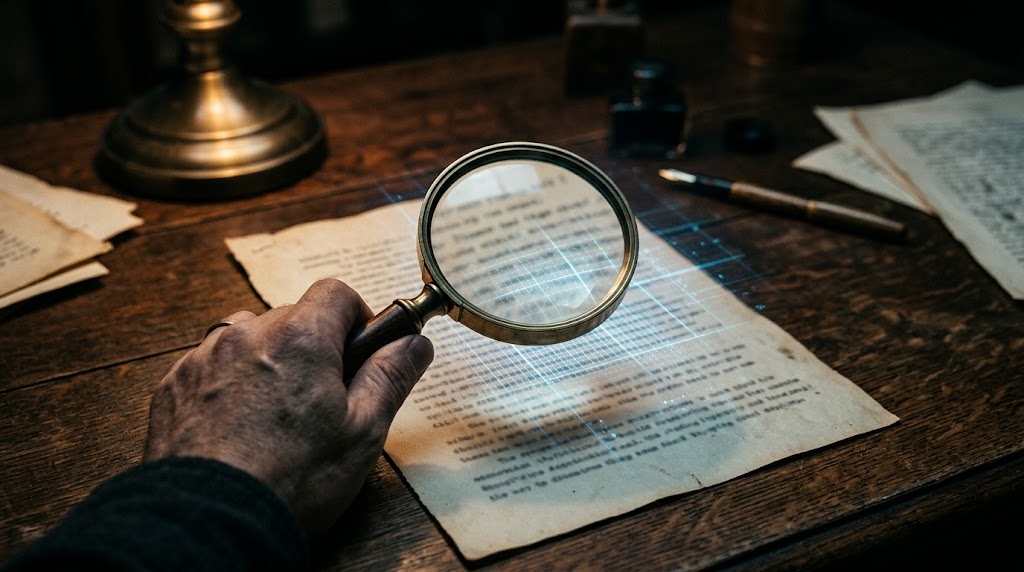
A single AI detector is now at the center of a growing fight in the literary world. Pangram, a tool that estimates whether text was machine-written, has flagged winning stories in two major short fiction prizes, setting off reviews, a pulled novel and a lot of arguments about what the tool can actually prove.
Two prizes, same tool
The Caine Prize for African Writing awarded Simbarashe Steyn Kundizeza £10,000 for his story “The Blue Fighter.” Five days later, the foundation opened a review after The Atlantic’s Vauhini Vara reported that Pangram flagged almost the entire text as AI-generated, according to AI Weekly’s summary. His literary agency says it has full confidence the story is his own. No finding has been announced.
The Commonwealth Short Story Prize had its own episode. Vara asked a Pangram scientist to test 75 past regional winners. None from before 2025 were flagged, but three of this year’s five regional winners and the 2025 overall winner were.
How the Commonwealth Foundation responded
The foundation chose not to rely on detection software. According to AI Weekly, it reviewed the winners’ drafts, timestamped documents, notes and outlines, concluded AI had not been used, and named Trinidadian writer Jamir Nazir overall winner for “The Serpent in the Grove.” Its reasoning was that such tools give inconsistent results. Granta, which publishes the winners online, ended its partnership with the prize.
Outside prizes, Hachette pulled Mia Ballard’s horror novel “Shy Girl” this spring after Pangram’s CEO said it was 78% AI-generated. Ballard denies using AI.
What the tool can and can’t tell you
Pangram’s CEO, Max Spero, says the tool is set to call text AI-assisted only when it is extremely confident, according to CP24’s syndicated report. A University of Chicago study reported a false positive rate of 0.005 or lower for it.
Even so, a detector gives a probability, not a verdict. The same report points out that across thousands of pieces of writing published every day, even a one-in-10,000 chance of a false accusation means a lot of people could be wrongly accused. It also notes that a widely cited 2023 Stanford study found detectors flagged non-native English writers more often, though that study predates Pangram.
Why it matters
No major literary prize currently has a clear, agreed definition of what counts as AI-assisted writing. That leaves institutions choosing between trusting writers, checking drafts, or trusting a statistical tool. Each option has costs, and the writers caught in between have little way to prove a negative.
Expect submission rules to change. Prizes may start asking for drafts and process notes up front, and writers may start keeping them.